Let’s be honest, the dream of working from anywhere has officially left the beachside cafe and hit the highway. It’s a new kind of frontier, one paved with Wi-Fi boosters, solar panels, and a powerful sense of freedom. And at the center of this mobile revolution? A surprisingly perfect trio: the pickup truck, the RV, and the remote work lifestyle.
This isn’t just about a vacation. It’s a fundamental rethinking of “home” and “work.” For a growing number of people, the pickup is the Swiss Army knife of mobility—part tow vehicle, part gear hauler, part backup generator on wheels. Pair it with a towable RV or a truck camper, and you’ve got a self-contained life and office that can park with a view of the mountains one week and a desert mesa the next.
Why This Trifecta Makes So Much Sense Now
Well, the pieces just… fell into place. Remote work became mainstream, not just a perk. RV technology leapt forward with lithium batteries and efficient appliances. And the modern pickup truck? It’s more capable and comfortable than ever. The convergence was almost inevitable.
Here’s the deal: this lifestyle solves multiple modern pain points at once. The crushing cost of housing? Mitigated. The soul-sucking daily commute? Eliminated. The craving for real adventure and connection with nature? Fed regularly. It’s a pragmatic response to a world that feels both hyper-connected and strangely isolating.
The Pickup: More Than Just a Tow Vehicle
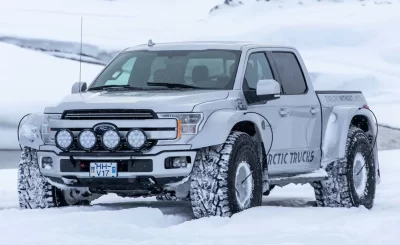
Sure, its primary job is to move your home. But in the remote work and RV lifestyle, the truck becomes a critical hub. It’s your satellite office when you need a change of scenery from the RV. It’s your run-into-town vehicle without having to pack up the entire house. It hauls the kayaks, the bikes, the portable generator.
Choosing the right truck is, frankly, the first major decision. It’s not just about power; it’s about creating a sustainable system. You need to think about payload capacity—that’s the weight of everything you add, including passengers, gear, and the hitch weight of your RV. Exceed it, and you’re flirting with danger and excessive wear.
| Key Truck Consideration | Why It Matters for Remote Work & RVing |
| Payload Capacity | The king of specs. Must cover people, gear, AND your RV’s hitch weight. |
| Cab Size | A crew cab can be a quiet office nook or essential storage for work gear. |
| Fuel Capacity & Efficiency | Long stretches between stations are real. Range anxiety is no joke. |
| Inverter/Pro Power Onboard | Running a laptop, monitor, and router from your truck? A game-changer. |
Building Your Mobile HQ: The RV as Office and Home
Your RV is no longer just a weekend escape pod. It’s your primary residence and your corporate headquarters. That shift in mindset changes everything about how you choose and set it up. The quest for reliable internet alone is a… journey. You’ll become an expert in cellular signal boosters, Starlink setups, and which campgrounds have the best Wi-Fi (hint: often not the ones advertising it).
Creating a productive workspace is the next big hurdle. That dinette table that looks perfect in the brochure? It might be a backache waiting to happen after an 8-hour workday. Successful digital nomads with trucks and RVs get creative:
- Ergonomics on the move: Portable laptop stands, external keyboards, and a really good chair you can secure for travel.
- Power management: You think about amps and watt-hours like you used to think about rent. Solar panels aren’t just eco-friendly; they’re business-critical.
- Zone separation: If possible, defining a “work zone” and a “living zone” in 300 square feet is vital for mental sanity. A physical divider, even a curtain, can work wonders.
The Not-So-Glamorous Reality Check
Let’s not romanticize it completely. The lifestyle has its own unique friction. You’ll have days where the internet fails before a big meeting, and you’re frantically driving your truck to find a signal. You’ll master the art of the “blue dump” (finding a dump station) and learn that water is heavy, and waste is… a thing you have to deal with.
It requires a mindset of resilience and problem-solving. You become your own IT department, facilities manager, and logistics coordinator. But for many, that’s part of the appeal—a tangible sense of self-reliance that modern life often strips away.
Making the Leap: Is This Lifestyle For You?
It’s not for everyone. But if the idea of your morning commute being a walk from your bed to your couch, with a view that changes with the season, sets your heart racing—it might be. Ask yourself these questions, honestly:
- Can you truly compartmentalize work? When your office is always ten feet away, shutting down is a discipline.
- Are you okay with less stuff? You become hyper-aware of weight and space. Every purchase is a decision.
- How’s your relationship with planning? Spontaneity is possible, but booking campgrounds, plotting routes with cell coverage, and managing resources requires forethought.
The beauty, though, is in the community. You’ll find tribes of other working RVers and truck owners—online and in person. They share the best boondocking spots with great LTE signal, the most reliable mobile internet plans, and the tricks for keeping your workstation stable while parked on a slight incline.
The Road Ahead is a Choice
In the end, this intersection of truck, RV, and remote work is about intentionality. It’s a conscious trade-off. You exchange square footage for sky-wide views. You swap convenience stores for the profound quiet of a national forest at dawn. You trade the stability of a static address for the fluidity of following good weather and personal curiosity.
It’s a lifestyle built on a simple, powerful idea: that where you are can profoundly shape how you work and live. And with the keys to a capable truck and a well-set-up RV, you hold the power to change that “where” whenever the road—or your Wi-Fi signal—calls you onward.