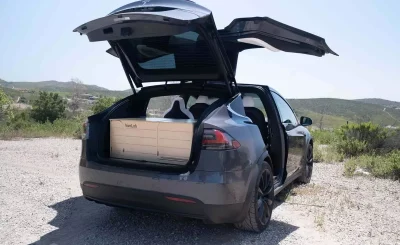
Imagine your electric car isn’t just a vehicle, but a giant battery on wheels. A battery that sits in your driveway most of the day. Now, what if you could use that stored energy to power your home, save money, and even earn a little cash? That’s the promise of vehicle-to-grid (V2G) technology, and it’s closer to reality than you might think.
Let’s dive in. V2G is a two-way street—literally. Instead of just pulling electricity from the grid to charge, a compatible EV can send stored energy back to your house or to the utility grid. For homeowners, this isn’t just a futuristic concept; it’s a toolkit for energy independence, resilience, and smarter budgeting.
Turning Your EV into a Home Power Plant: Core Applications
Okay, so how does this actually work in practice? Here’s the deal: the applications break down into a few key areas that touch on everyday life and unexpected emergencies.
1. Backup Power During an Outage (The “Hero” Mode)
This is, honestly, the most compelling use for many people. When a storm knocks out the power, your V2G-ready EV can become a whole-home or critical-circuit backup generator. Think about it: a typical EV battery holds 60-100 kWh of energy. The average U.S. home uses about 30 kWh per day. You could, in theory, power essentials—fridges, lights, a modem, maybe even a heat pump—for days.
It’s a silent, fume-free lifeline sitting right in your garage. No more scrambling for gas for a generator. You just plug in, flip a switch (via a proper transfer switch installed by an electrician, of course), and your house hums back to life.
2. Slashing Your Electricity Bill with “Peak Shaving”
Utilities charge more for electricity during “peak” hours—usually late afternoon and early evening when demand is highest. This is where V2G gets clever, and frankly, a bit lucrative.
Here’s a typical scenario: You charge your car overnight when rates are cheap. Then, during the expensive peak period the next day, your home automatically draws power from your car’s battery instead of the grid. You avoid buying high-cost electricity. It’s called peak shaving, and the savings can really add up over a year.
3. Earning Money by Grid Services (The Advanced Play)
This is where it gets next-level. Some utilities are running pilot programs that pay EV owners for access to their battery. They aggregate hundreds of EVs into a “virtual power plant.” When the grid is stressed—say, during a heatwave—the utility can draw a tiny bit of power from all those cars to stabilize demand and avoid blackouts.
You get a check or a credit on your bill. It’s like renting out a tiny slice of your battery’s capacity. The key here is automation; your car and charger communicate with the grid and handle it all without you lifting a finger.
The Practical Setup: What You Actually Need at Home
Alright, so you’re interested. What’s required? It’s not just any EV and a standard plug. Here’s a quick breakdown of the essentials.
| Component | What It Is & Why It Matters |
| V2G-Compatible EV | Not all EVs can do this. Currently, models using CHAdeMO charging (like some older Nissan Leafs) have led the way. The tech is expanding to CCS standards (common in newer U.S./EU models). Always check specs. |
| Bidirectional Charger | The heart of the system. This special wall unit (AC-DC inverter) manages the two-way flow of electricity. Brands like Wallbox, Fermata, and others are in this space. |
| Home Integration System | Often, this means a critical load panel or a full-home system with a transfer switch for backup power. You might also need a dedicated energy management system (EMS) to automate everything. |
| Utility Program & Approval | Critical. You must have permission from your local utility to send power back to the grid. Many areas have specific V2G or distributed generation tariffs. |
The installation isn’t a DIY project. You’ll need a qualified electrician familiar with V2G and local codes. It’s an investment, sure, but one that pays back in control and potential savings.
Real Talk: Weighing the Benefits Against the Hurdles
Let’s be honest—no technology is perfect. The potential is huge, but you should go in with clear eyes. Here’s a balanced look.
The Bright Side (The Pros)
- Financial Gains: Lower bills, potential revenue, and increased energy self-sufficiency.
- Resilience: Peace of mind with backup power that you “own” and maintain just by driving.
- Environmental Impact: Maximizes the use of renewable energy (like your solar panels) and supports a more stable, cleaner grid.
The Considerations (The Cons & Questions)
- Upfront Cost: Bidirectional chargers and installation are pricier than standard Level 2 chargers.
- Battery Wear Anxiety: The big one. More charge/discharge cycles could accelerate battery degradation. That said, smart software is designed to minimize impact—only cycling within safe margins—and many experts believe the financial benefits offset minimal wear. It’s an active area of study.
- Limited Availability: Compatible cars, chargers, and utility programs aren’t everywhere yet. It’s still an emerging ecosystem.
- Daily Logistics: You need to manage your car’s state of charge. If you send 50% of your battery to the grid, you better not need a 200-mile drive the next morning. Automation helps, but it requires planning.
The Future in Your Garage
So, where does this leave us? Vehicle-to-grid technology for homeowners is more than a neat trick. It’s a fundamental shift in how we view energy assets. Your car transitions from a cost center (fuel, maintenance) to a potential energy partner.
The journey isn’t without its bumps—regulatory hurdles, technology standardization, and upfront costs are real. But the direction is clear. As grid pressures increase and battery tech improves, the value of that giant battery on wheels will only grow.
For now, if you’re an early adopter with a compatible EV and a supportive utility, the tools are there. You can start experimenting with energy independence today. For everyone else, keep watching this space. Because the idea of your car quietly paying for its own parking spot—or even chipping in on the mortgage—is no longer science fiction. It’s just a matter of time.